
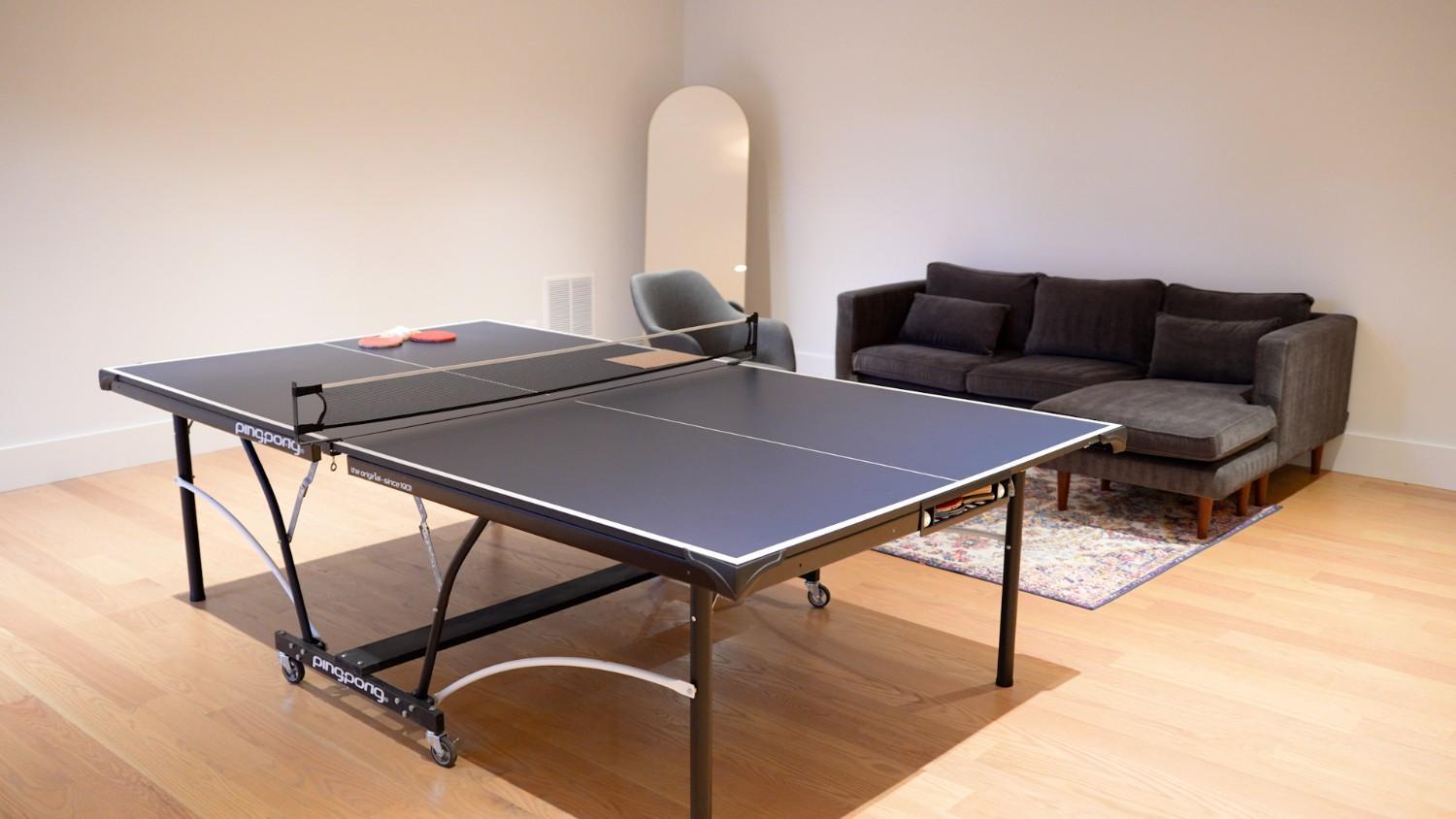
Picture this. It’s 1996. You’re sitting in the living room with your cousins, controllers in hand, playing on a Family Computer. The TV is small and boxy, but the laughter fills the room. When you’re not playing, you’re gathered around the table arguing over Scrabble, Monopoly, or Snakes and Ladders. Everyone’s laughing. No one’s checking a cellphone because there’s none to check. It was simple. It was real.
Fast-forward to today. Most of us spend our days behind screens—phones, laptops, TVs. We message instead of talk. We scroll instead of play. Even when we’re together, we’re often disconnected. The warmth of shared play has turned into quiet scrolling and digital noise. That’s why a game room matters now more than ever. It brings back real interaction and shared experiences, something our homes need today.
At AV Architects + Builders, we’re involved from the very start of every custom home project, guiding clients from the initial concept through construction to final completion. Our expertise ensures that every space, including a game room, is intentional, practical, and tailored to the people who will use it. This article draws on our experience to show how a game room can become a central, vibrant part of a home.
If you’ve ever wondered how to make your home more fun, foster connection, or create a space that balances relaxation and play, this article is for you. By reading this, you’ll discover practical ways to design a game room that suits your lifestyle, whether you live alone or with family, and how to use your space efficiently to create joy and memorable moments.
Many homes are built for comfort and work but not for fun. A game room changes that. It reintroduces play as an essential part of daily living. It reminds us that a home should not only shelter us but also make space for joy and connection.
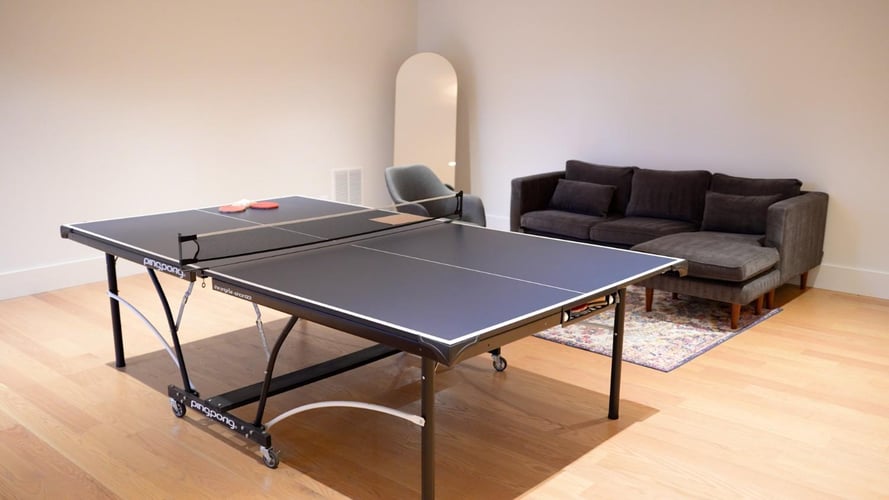 The Architect House, Great Falls, Virginia, AV Architects + Builders
What Is a Game Room?
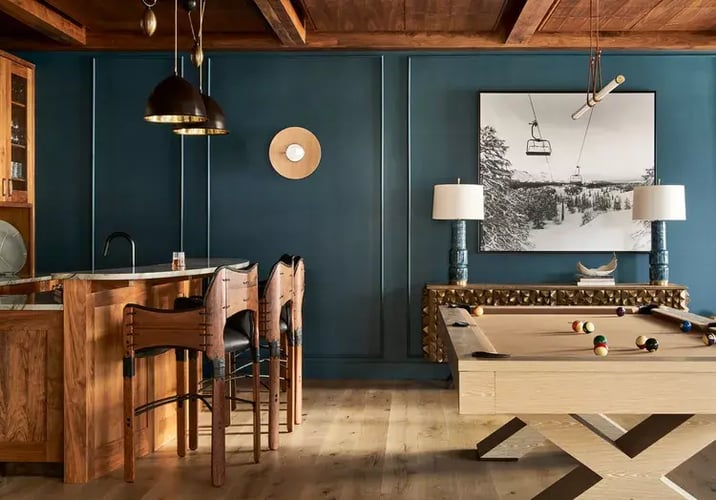
A game room is a dedicated space for recreation and social interaction. It doesn’t have to be huge or luxurious. It can be a spare room, a basement, or even a section of your living room. The point is to create a space that invites play.
The idea of a game room isn’t new. Decades ago, families gathered around the table for puzzles, cards, and board games. The modern version evolved to include consoles, pool tables, home theaters, and VR setups. You can find ideas for a luxury game room that’s both functional and inviting. The design and technology may have changed, but the purpose remains the same—to connect people through play.
A game room isn’t about filling space with expensive equipment. It’s about intention. It’s setting aside an area in your home where laughter is encouraged, where competition is healthy, and where people can unwind together. Whether you’re playing video games, hosting poker night, or watching a movie marathon, the goal is to build memories. You can explore more design inspiration in this guide to the ultimate entertainer’s dream home.
Why You Need a Game Room
Think about how often your days revolve around screens and schedules. A game room gives you a break from that. It’s where you can recharge your mind and body.
Here’s why every home benefits from having one:
- Brings back real interaction. When was the last time you played Scrabble, Monopoly, or Snakes and Ladders? These simple games remind us how fun it is to talk, laugh, and compete face-to-face.
- Reduces stress. Games trigger relaxation and release tension. After long hours of work, spending time in your game room can reset your mood.
- Strengthens relationships. A shared game night creates lasting memories. It turns an ordinary evening into something people look forward to. More benefits of having a family game room are documented.
- Adds property value. A well-designed entertainment area can make your home more attractive to buyers. It signals that your home supports a balanced lifestyle.
- Promotes healthy balance. Life isn’t all work and chores. A game room reminds you that fun has a place in daily living.
In an age when digital communication dominates, a game room brings back physical connection. It encourages real laughter instead of emojis, conversations instead of chat bubbles. It’s a space that restores human connection, which has become rare in modern homes. You can read about investing in game rooms to understand why they are worth the effort.
What If You Live Alone?
If you live alone, you might think a game room is unnecessary. But that’s where it becomes even more important. A game room doesn’t always mean group play. It’s about creating a personal retreat.
You can set up a console or PC for solo gaming, a home theater for movie nights, or a corner with puzzles and classic board games. It’s your place to relax without distractions. It also becomes a space for self-care.
Imagine coming home from work and having a dedicated corner where you can unplug and reset. You’re not in your bedroom where you sleep, not in the kitchen where you eat, but in a room made only for fun. It’s refreshing. It helps you separate work from leisure and brings a sense of balance to living alone.
When friends or family visit, it becomes your social hub. You can easily turn the room into a hangout spot without rearranging your entire house. Even a small area can serve this purpose. For inspiration on essential game room must-haves, you can reference curated guides.
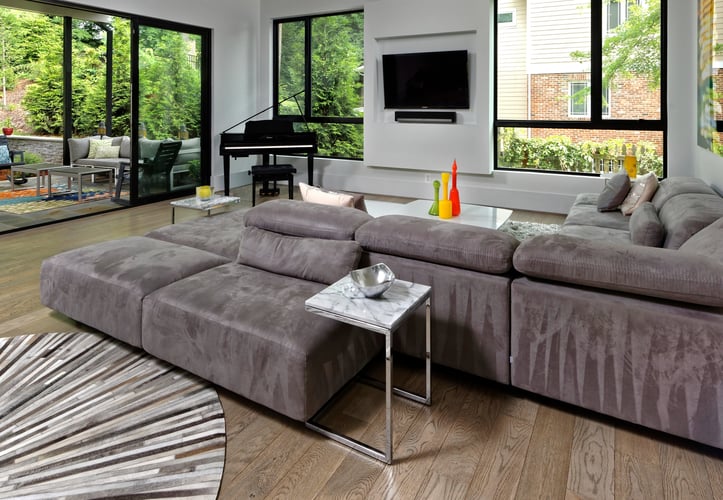 The Hill House, McLean, Virginia, AV Architects + Builders
Living Room vs. Game Room
A common question is, do you really need a separate game room? Can’t your living room serve the same purpose?
A living room is designed for relaxation and socializing. It’s a shared and often formal space where you welcome guests. You keep it neat and visually balanced because it represents your home. But a game room is different. It’s designed for energy and fun.
If you don’t have an extra room, you can still blend the two. Add a section in your living room for entertainment. You can set up a small shelf for board games, add a wall-mounted TV for console gaming, or bring out a foldable poker table when friends visit.
The difference lies in mindset. The living room is for resting. The game room is for playing. Discussions on dedicated game rooms versus living room setups explain the practical considerations of both.
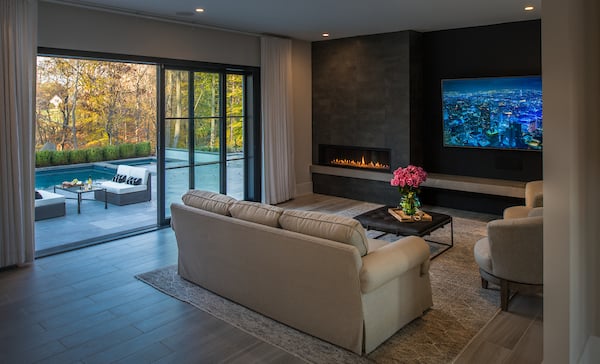
What You Need to Put in a Game Room
Every game room reflects the person or family using it. What you put in depends on your interests, space, and budget. But some essentials can make any setup enjoyable and functional.
- Main feature. Pick one centerpiece like a pool table, gaming console, or movie screen. This becomes the focus of the room.
- Comfortable seating. Choose couches, bean bags, or recliners that make long play sessions relaxing.
- Lighting. Use soft lighting for ambiance and task lights for tabletop games. Check out strategies for modern home lighting design.
- Sound system. Whether it’s for games, movies, or music, good sound makes the experience better. Soundproofing advice helps enhance audio quality.
- Storage. Keep games, controllers, and accessories organized with shelves or cabinets.
- Snacks and drinks corner. A mini fridge or bar keeps refreshments within reach.
- Personal décor. Add posters, collectibles, or vintage items that show your personality.
A great game room feels lived in, not staged. It’s okay if it looks different from the rest of your home. It should represent your hobbies, not your furniture catalog. For ideas on creating cozy atmospheres in entertainment spaces, consult design references.
You can also explore Vacation-style living®, to bring leisure-inspired features into your game room.
Simplifying the Design Process
Many people overthink home design. The same happens with game rooms. Start small. Build around your habits and lifestyle.
- Identify your favorite activity. If you love board games, focus on a large table setup. If you’re into movies, invest in a projector and good sound. Check recommendations on gaming room essentials.
- Pick a theme. Retro, modern, or minimalist. A theme makes the room cohesive.
- Focus on comfort. Invest first in seating and lighting before décor. Comfort matters more than aesthetics.
- Make it flexible. Use movable furniture so the room can switch between game nights and movie sessions.
- Stay within budget. You don’t need luxury materials. Focus on what makes play easier and more enjoyable.
You can also reference utility connection planning and passive house design to ensure your game room is practical, efficient, and energy-smart.
Design should simplify your life, not complicate it. A good game room encourages you to use it often without worrying about maintenance or clutter.
Is It Necessary to Have a Game Room?
A game room is highly recommended, but not necessary. You can live without it, but once you have one, it changes how you use your home. It becomes a space where you reconnect with what matters—fun and human connection.
We live in a time where most interaction happens through screens. A game room helps you break that cycle. It gives you a reason to put the phone down, invite people over, and create memories offline. Even a small, simple setup can shift how you experience home life. Think of it as an upgrade, not a requirement. You can see additional insights on why a game room adds value.
Bringing It All Together
A well-designed game room brings back what modern living often takes away—connection, laughter, and fun. Whether it’s a heated Monopoly match, a nostalgic Famicom session, or a quiet solo game after a long day, it fills your home with energy and joy.
AV Architects + Builders has helped homeowners create custom homes where every room reflects how people live, work, and play. For more guidance on designing a healthy home, creating entertaining spaces, or organizing games and media, consult our resources.
If you’re thinking of building or renovating, schedule a discovery call or visit our Learning Center. Let’s help you create a home that balances work, rest, and play, where every room has a purpose—including fun.
Topics: