
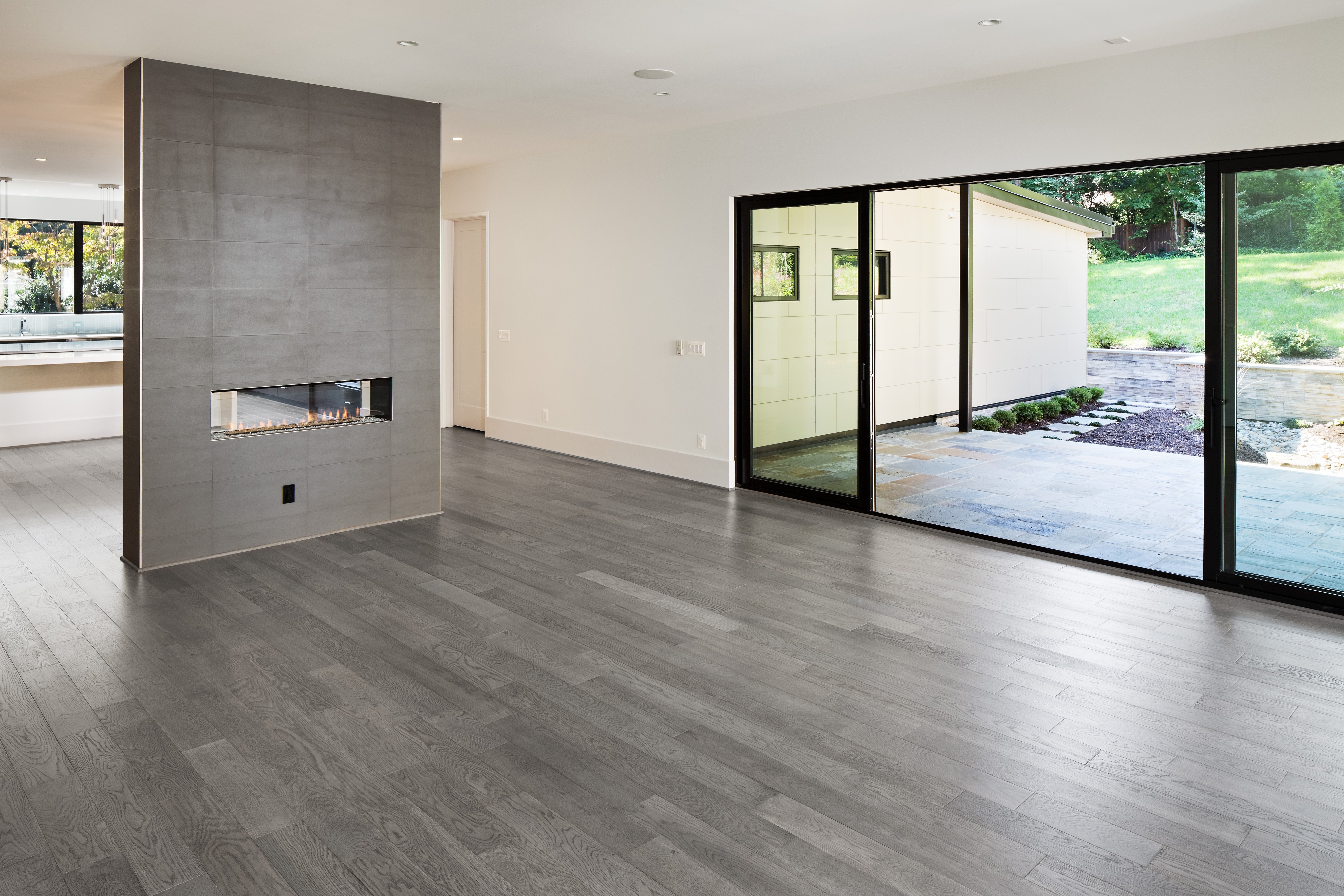
Walking into a home, you expect comfort and quiet. Every step should feel solid, every footfall should be muted, and the spaces around you should feel peaceful. Yet many homeowners experience the opposite. Floors that creak, wobble, or amplify noise can make daily life frustrating. You are not a tap dancer, yet every step sounds like one. These hidden issues often trace back to a single, overlooked component, the subfloor.
A subfloor is more than just a layer beneath your flooring. It is the foundation that supports the entire structure above it. Think of your floor like a mattress. The visible flooring is the mattress itself—the surface you see and walk on. The subfloor is like the springs inside the mattress. It may not be visible, but it supports everything above, absorbs pressure, and ensures the surface stays stable. Without strong “springs,” the mattress sags, feels uneven, and wears out quickly.
At AV Architects and Builders, we have worked on homes where subflooring made all the difference. High-quality subflooring transforms a house into a place that feels solid, quiet, and welcoming. It ensures every step, whether barefoot or in shoes, feels secure and smooth. A good subfloor also protects your investment, extending the life of your floor finishes and minimizing costly repairs.
In this article, we will break down what subflooring is, how it works, and why it matters. We will cover the types of subflooring, how it affects soundproofing, stability, and buyer satisfaction, and explain what defines a quality subfloor. By the end, you will understand why investing in a proper subfloor is one of the most impactful decisions for a comfortable, long-lasting home.
.jpg?width=667&height=500&name=GREAT%20ROOM%20(5).jpg)
© 2025 AV Architects + Builders. All Rights Reserved
What is Subflooring and What Defines Quality
Subflooring is the layer between the structural joists and the finish flooring such as hardwood, tile, or carpet. Using the mattress analogy, the visible flooring is the mattress, and the subfloor is the springs inside. The springs support the mattress and keep it stable under weight and movement. Similarly, a quality subfloor supports your flooring, absorbs pressure, and prevents sagging or movement.
High-quality subflooring is level, durable, moisture-resistant, and properly fastened to prevent movement. Materials like plywood, OSB, concrete, or specialty acoustic panels perform consistently under weight and temperature changes. Proper installation is critical, as even the best materials will fail if not secured correctly. A solid subfloor reduces noise, prevents sagging, extends the lifespan of your flooring, and makes the home feel well-constructed.
Floor vs Subfloor
Many homeowners confuse floors and subfloors, but they serve different roles. The floor is the visible layer you walk on, such as hardwood, tile, laminate, or carpet. It provides aesthetics and comfort—the mattress. The subfloor is like the springs inside the mattress. It provides stability, absorbs pressure, and ensures the surface above performs correctly. While the floor can be replaced for style or wear, a poor subfloor undermines the performance and longevity of any flooring type. For a deeper comparison, see subflooring vs flooring.
Benefits of Quality Subflooring
- Reduces noise and footstep vibrations
- Prevents squeaks and movement underfoot
- Supports the longevity of your flooring materials
- Creates a level, stable surface for furniture and daily activities
- Enhances overall home comfort and satisfaction, making it easier to enjoy features that improve daily living
What Happens if Your Home Does Not Have Proper Subflooring
Without a quality subfloor, your home can develop problems that affect comfort, safety, and long-term value. These issues often start small but worsen over time, turning simple daily activities into sources of frustration.
- Creaky floors that make you feel like a tap dancer
Even if you walk normally, poor subflooring can create loud squeaks and thuds with every step. Over time, these noises can become constant distractions, making your home feel unstable. - Uneven surfaces that cause furniture wobble
Without a stable subfloor, floors may sag, bow, or shift slightly. This causes tables, chairs, cabinets, and even beds to wobble or tilt. The instability not only feels awkward but can also create safety hazards. Uneven floors also make it difficult to install new flooring properly, which can add extra costs during renovations. - Increased wear on floor finishes
Poor subflooring places extra stress on hardwood, tile, or laminate flooring. Weight and movement can cause cracks, gaps, or warped boards over time. Even small imperfections in the subfloor can magnify with daily use, shortening the lifespan of expensive flooring and forcing premature repairs or replacement. Learn more about subfloor preparation. - Excessive sound transmission
A low-quality subfloor does not absorb vibrations well, allowing noise from footsteps, furniture movement, or conversations to travel through the home. Rooms that should feel private or quiet can become unexpectedly loud, reducing comfort and privacy. See how soundproof floors really work. - Lower buyer satisfaction and reduced property value
Potential buyers notice unstable or noisy floors immediately. Even if the rest of the home looks pristine, subfloor issues signal poor construction quality. This reduces perceived value and can make a property harder to sell. Investing in subflooring can increase resale value.
Types of Subflooring and How They Help
- Plywood
Durable and layered to resist warping, plywood provides a solid, stable surface for most residential flooring types. It reduces squeaks and works well with hardwood, laminate, and engineered flooring. - Oriented Strand Board (OSB)
OSB is made by compressing wood strands with adhesives to form large panels. It is cost-effective, strong, and easy to install. When installed properly, OSB offers a level, durable base for various floor coverings. Moisture-resistant grades prevent swelling and maintain stability over time. Learn about subfloor thickness and benefits. - Concrete
Concrete subfloors are common in slab construction and provide exceptional stability. They are ideal for heavy flooring like tile or stone and naturally absorb sound, reducing footstep noise between floors. Concrete minimizes movement and flexing, ensuring long-term performance. See slab subfloor details. - Specialty Acoustic Panels
These panels are engineered specifically for soundproofing. They absorb vibrations, minimize echo, and reduce impact noise in multi-story homes or spaces where quiet is essential. Insulated subflooring provides additional comfort and energy efficiency.
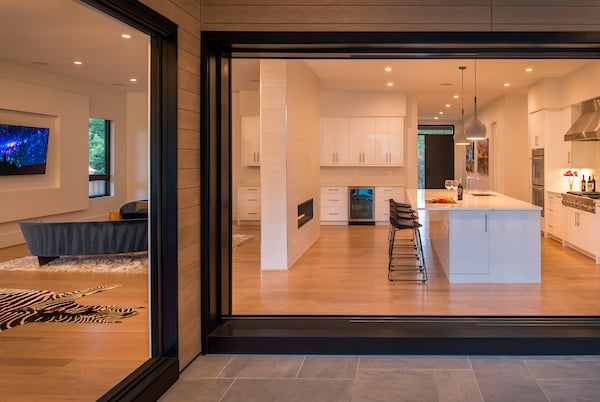 The Solar House, Arlington, Virginia, AV Architects + Builders, Photography by Maxwell Mackenzie
How Subflooring Improves Soundproofing
A quality subfloor is one of the most effective ways to reduce noise. It absorbs impact from footsteps, furniture movement, and daily activities, preventing vibrations from traveling through joists to lower floors. Combined with underlayment or acoustic panels, subflooring can dramatically reduce both airborne and impact sound, creating a peaceful, private environment.
Stability and Comfort
Subflooring directly affects the stability of your home. A strong, level subfloor keeps floors even and prevents sagging or flexing under weight. It ensures that heavy furniture, appliances, and foot traffic do not cause movement that can damage flooring or create safety risks. Stability makes your home feel solid and comfortable. For guidance on choosing the right subfloor system, consult experts early.
Buyer Satisfaction and Home Value
Homes with high-quality subflooring consistently achieve higher buyer satisfaction. Visitors immediately notice solid, quiet floors even if they do not understand the technical details. A well-built subfloor signals craftsmanship and long-term durability. Flooring choices also impact resale value.
When to Replace Your Subfloor
Even high-quality subflooring will eventually require replacement if damaged or aged. Signs you need to replace it include persistent squeaks, visible sagging, cracks in tile or wood, uneven flooring, mold or water damage, and excessive noise transmission. Learn when to replace your subfloor.
Maintenance Tips for Subflooring
Keep moisture under control to prevent warping or mold growth. Avoid dragging heavy furniture without protection, and address minor squeaks or gaps early before they worsen. Regular inspections can help detect hidden issues before they affect comfort or safety. For more insight, read the crucial role of subflooring.
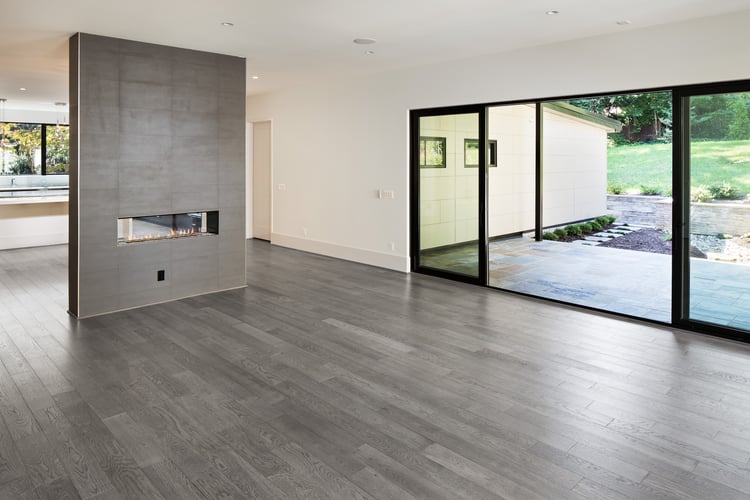 The Hill House, McLean, Virginia, AV Architects + Builders
Choosing the Right Subflooring for Your Home
Selecting the right subfloor depends on your flooring type, desired comfort level, and long-term durability. Experts assess your home’s structure, intended use, and noise control needs to recommend the best option. Proper installation is as important as the material choice to ensure stability, silence, and long-term performance.
If you are ready to experience the difference that quality subflooring makes, schedule a discovery call with us today. Visit our learning center to explore more about how AV Architects and Builders can create a home that is quieter, more stable, and more comfortable from the foundation up.