
.jpg?width=5983&height=3944&name=Photo%20(51).jpg)
Many homeowners enjoy the exciting opportunity to design a custom home that caters to the whole family. While the primary suite is a natural sanctuary, the secondary rooms offer a wonderful canvas to ensure every family member enjoys the benefits of a custom home. This approach ensures a joyful daily flow where children and guests feel like they are staying in a high-end retreat.
At AV Architects + Builders, we have spent decades perfecting the art of the balanced floor plan. We believe a home should feel cohesive and premium in every corner. Our expertise lies in right-sizing every room to ensure the architecture supports a high-quality lifestyle for everyone. We specialize in navigating the fine line between efficient square footage and luxury living, ensuring that secondary bedrooms serve as functional, upscale mini-suites.
This article provides a comprehensive overview of the design principles used to create secondary bedrooms that beautifully complement the primary suite. We will examine the optimal dimensions for comfort, the seamless integration of private bathrooms, and the strategic use of natural light. After you read this, you will have a clear blueprint for developing comparable bedrooms that ensure residential harmony and long-term property value.
.jpg?width=758&height=500&name=Photo%20(51).jpg) The Angle House, McLean, Virginia, AV Architects + Builders
The Angle House, McLean, Virginia, AV Architects + Builders
Sizing the Primary Bedroom vs. the Secondary Bedrooms
The key to a high-end home is architectural balance. The primary bedroom serves as a magnificent anchor for the home, typically ranging from 350 to 500 square feet. This scale comfortably accommodates a king-sized bed and a comfortable seating area, aligning with the standard master bedroom size found in the finest luxury properties.
To ensure secondary bedrooms function as true mini-suites, they should maintain a generous footprint. Establishing a clear hierarchy where the primary suite remains the focal point while secondary rooms offer approximately 60% of that luxury creates a sophisticated psychology of house floor plans. This ensures that every room feels like an upscale, executive-level space.
The Magic Number for Square Footage
While typical bedroom sizes for secondary rooms often range between 100 and 200 square feet, architectural planning suggests that 225 to 250 square feet represents the optimal 'magic number' for long-term residential utility. This specific square footage serves as a strategic 'sweet spot,' providing the necessary clearance for a queen-sized bed and dual nightstands while maintaining an unobstructed, dedicated workstation.
By prioritizing these dimensions, homeowners can effectively future-proof their floor plans, transforming a conventional sleeping area into a sophisticated, multi-functional hub reminiscent of a premium hotel suite. This intentional approach to spatial design ensures the room remains an open, inviting sanctuary that balances rest with productivity, representing a superior investment in a home’s overall liveability and versatile footprint.
The Ensuite Requirement
A private bathroom is a hallmark feature of a premium mini-suite. Providing each secondary bedroom with its own dedicated en suite—featuring a walk-in shower and spacious vanity—elevates the home’s standard of living. This layout provides wonderful autonomy for family members and ensures ultimate privacy and comfort for overnight guests.
Smart Closets and Storage
Walk-in closets are a brilliant way to make a room feel comparable to a primary suite. Integrating a custom closet or built-in system removes the need for bulky dressers, keeping the floor plan open and airy. Efficient storage is a sophisticated way to make a room feel larger and more organized, turning a simple bedroom into a calm, uncluttered sanctuary.
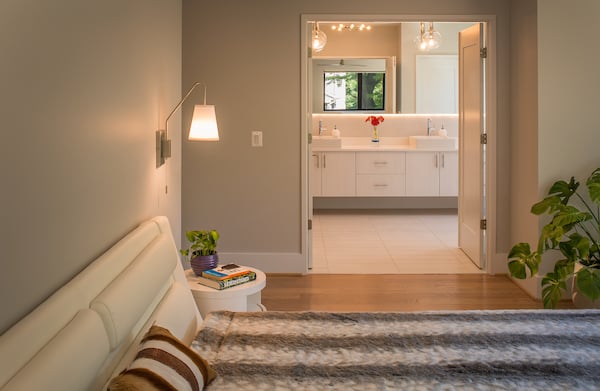 The Solar House, Arlington, Virginia, AV Architects + Builders, Photography by Maxwell Mackenzie
Light and Layout Adjacency
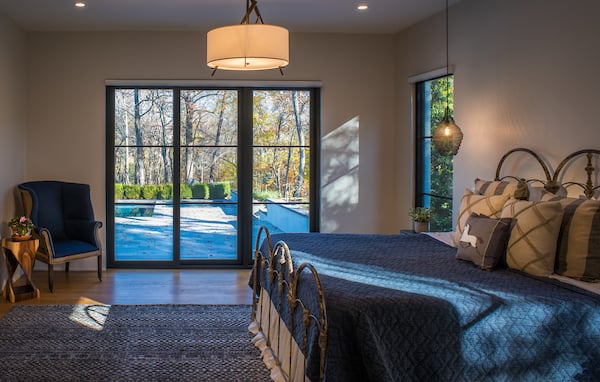
Natural light is a powerful design tool that offers numerou natural light benefits, such as improved mood and vibrant energy levels. Placing windows on two different walls can make a room feel remarkably expansive, especially when using oversized windows to connect the interior with the beauty of the outdoors.
Furthermore, the strategic location of the room is key to its success. Placing secondary bedrooms in areas that promote quiet ensures they remain peaceful retreats.
Dedicated Zones for Living
A mini-suite offers the luxury of choice, providing a versatile sanctuary within the home. To mirror the feel of a master suite, the layout should incorporate bedroom zoning to define specific areas for different activities, such as a built-in desk for focused work or a cozy armchair for reading. This thoughtful approach to spatial organization transforms the room into a complete living environment, ensuring a welcoming space where occupants can enjoy their own quarters in total comfort.
Future-Proofing: Multi-Generational Flexibility
One of the most valuable aspects of designing larger secondary bedrooms is the flexibility they provide for the future. By ensuring these rooms have the scale and amenities of a suite, you are creating a home that can adapt to multi-generational living. Whether it is an adult child returning home, an elderly parent moving in, or a long-term guest, these "big" secondary rooms provide the independence and dignity required for shared living. This foresight significantly boosts your property's resale appeal and ensures your home remains functional for decades.
Soundproofing and Acoustic Privacy
True luxury is found in the quiet moments. To make secondary bedrooms feel like high-end retreats, investing in custom home acoustics is a smart choice. Using solid-core doors helps create a serene environment, dampening the sounds of a busy household and focusing on the sensory comfort of the inhabitant.
Ceiling Height and Volume
The vertical dimension of a room is a great way to add "wow factor." Increasing ceiling heights to 9 or 10 feet makes a room feel much more impressive and grand. This technique is a masterclass in mastering scale in bedroom design. Adding architectural details to the ceiling can elevate the aesthetic to match the primary suite, creating a sense of grandeur.
Key Takeaways for Mini-Suite Excellence
Designing a home with equalized comfort means prioritizing the experience of every person under your roof. By expanding the footprint of secondary rooms and incorporating dedicated baths and walk-in storage, you create a harmonious environment where every area of the house is equally inviting. Ultimately, this balanced approach creates a beautiful, cohesive home where everyone enjoys the luxury they deserve.
If you are ready to design a home where every bedroom feels like a destination, we are here to help. You can schedule a discovery call with our team to discuss your specific vision and floor plan needs. For more design tips and architectural insights, be sure to visit our learning center to explore our full library of resources.