
Building a home can feel like a high stakes puzzle where you try to fit your dream life into a physical space. Many homeowners worry that choosing a green lifestyle means living in a cold or sterile box that lacks personality. You might fear that energy efficiency requires sacrificing those floor to ceiling windows you love or that eco friendly materials will look cheap. It is a common struggle to balance the desire for a luxury custom home with the responsibility of reducing your environmental footprint.
At AV Architects + Builders, we have spent decades perfecting the art of the Stress Free Home. We understand that true luxury is not just about expensive finishes but about how a home performs and feels over time. Our team views sustainability as a foundational element of smart design rather than a trendy add on. We combine architectural expertise with high-end construction to ensure your home is as efficient as it is beautiful.
This article explores how modern architects use clever design tricks to make your home a self sustaining sanctuary. You will learn how to use the sun to your advantage and why the bones of your house matter more than the gadgets inside. By the end, you will have a clear understanding of how to incorporate sustainability into your build without compromising on your style.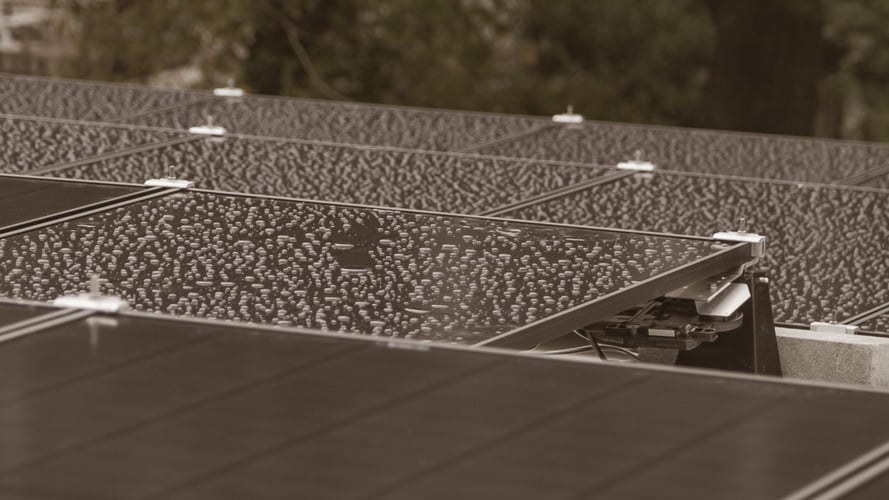 The Solar House, Arlington, Virginia, AV Architects + Builders
Defining Sustainability in Custom Home Design
In the world of architecture, sustainability is the practice of designing a home that meets your needs today without depleting resources for tomorrow. It is a holistic approach that looks at the lifecycle of a building to evaluate its long-term impact. Instead of just focusing on the look of the house, we focus on its health and durability.
A sustainable custom home is designed to minimize energy use, reduce waste, and provide a high quality indoor environment. It is about creating a balance between the built environment and the natural world. By planning for the future, we ensure your home remains an asset rather than a burden on the land.
The Difference Between Being Green and Being Sustainable
Many people use the terms green and sustainable as if they mean the same thing, but there is a subtle difference. Being green usually refers to the products you use, like buying organic paint or installing a low flow faucet. It is a great start, but sustainability goes much deeper into the core of the structure.
Sustainability is about the entire life of the home. It means building a structure that is durable, efficient, and healthy for decades. While green is about the what, sustainability is about the how and the how long, effectively merging ethical practices with long term performance.
How Architects Incorporate Sustainability
We do not just add solar panels and call it a day. True sustainability is baked into the blueprint from the very first sketch. Here is how we combine design principles with high performance features to ensure your home performs at its best.
1. Smart Planning and Passive Design
The most powerful tool in an architect's kit is the sun. We study how it moves across your specific land to determine the best site orientation. By placing large windows strategically and using roof overhangs, we can control heat penetration and maximize natural light. This reduces the need for artificial lighting and helps manage the temperature naturally.
We also prioritize healthy design by creating spaces that blend with the topography of your lot. This ensures the house supports your mental well being and connects you to the outdoors. A home that breathes with its environment is inherently more efficient and comfortable for the long term.
2. High Performance Building Features
Beyond the layout, the physical components of the home act as a replacement for expensive mechanical work. We focus on the materiality of the project by selecting durable, locally sourced items like stone or reclaimed wood. These materials age gracefully and reduce the carbon footprint of the project.
To strengthen the building shell, we use superior framing methods like 2x6 wall construction and high-quality windows for better thermal resistance. These features minimize energy loss and protect your health by ensuring a tight, well insulated shell. This high performance approach keeps your utility bills low and your comfort high.
3. Efficient Systems and Energy Production
A sustainable home uses technology to stay comfortable without wasting resources. We specify mechanical engineering services that provide efficient climate control and hot water on demand. Smart lighting solutions and automated climate controls ensure energy is never wasted, while integrated security protects the property.
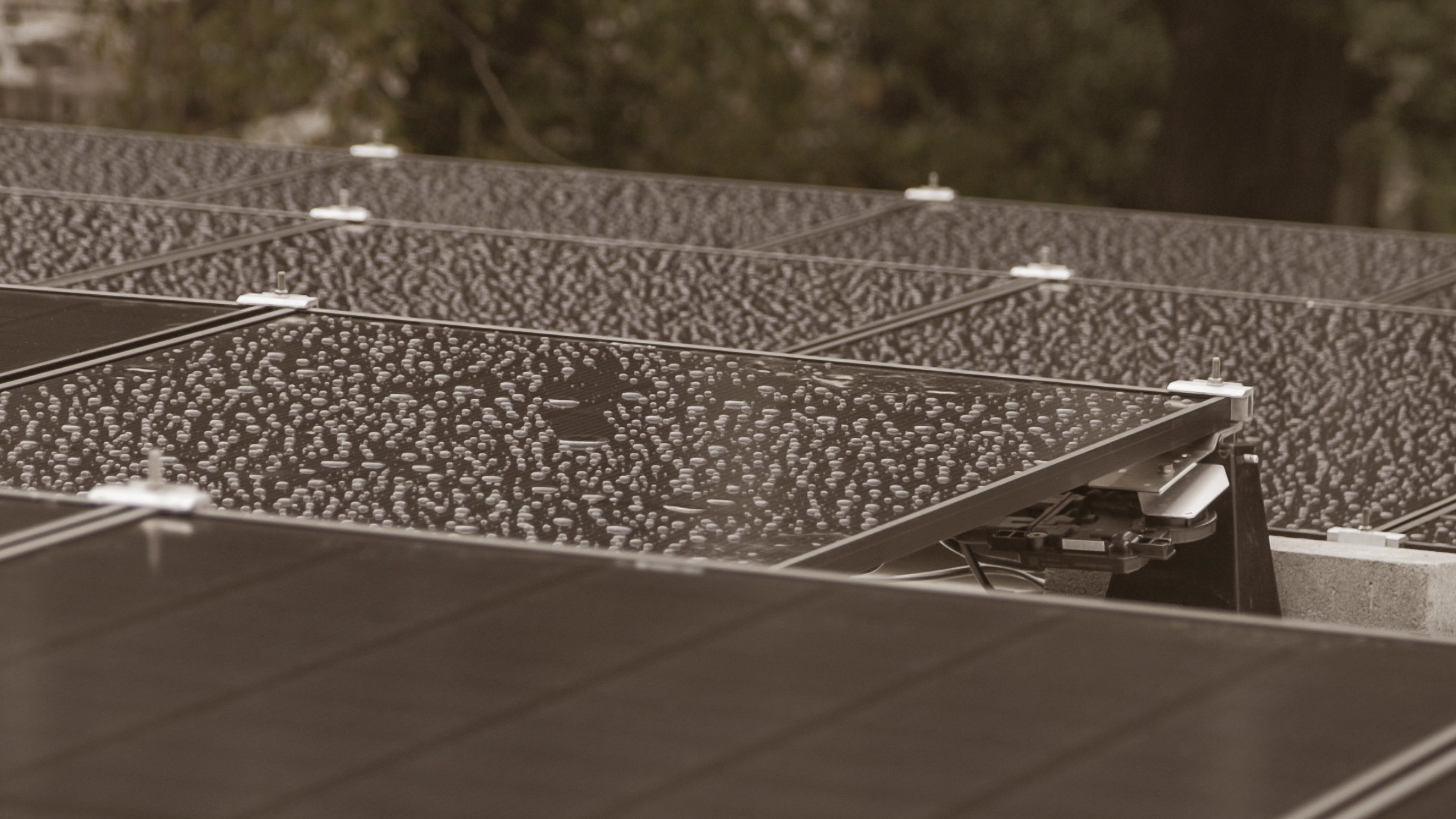
We can also design rainwater harvesting systems to collect and filter water for irrigation. When it comes to power, we plan for solar panels early. Integrating solar power allows for on site energy production without sacrificing the future aesthetics of the house..png?width=398&height=500&name=image%20(41).png)
Understanding Embodied Energy
When we talk about sustainable materials, we often mention embodied energy. This is an educational concept that measures the total energy required to extract, process, manufacture, and transport a material to your job site. A material might be eco friendly once installed, but if it required a factory in another country to produce it, the total impact is much higher.
By evaluating these factors, we reduce the carbon footprint of your home before you even move in. Architects contribute to a sustainable future by selecting items with a low environmental impact throughout their entire lifespan. This helps preserve the earth for future generations while giving you a home of superior quality.
The Power of Passive Heating and Cooling
One of the most effective ways to lower your footprint is through passive solar design. Think of this as the home’s ability to maintain a comfortable temperature without using a single machine. While active systems use electricity, passive house design uses the laws of physics to do the heavy lifting.
We use thermal mass—like thick concrete or stone floors—to absorb heat during the day and release it at night. This works in tandem with proper insulation to prevent wild temperature swings. This design choice means your home stays naturally temperate, reducing the workload on your heating and cooling equipment.
Creating a Healthy Sanctuary
Sustainability also encompasses the interior experience. We design for specific needs, such as creating quiet zones for introverts and remote workers. Incorporating biophilic design connects inhabitants to nature, which has been linked to improved longevity and reduced stress.
This holistic view ensures that insulation matters not just for energy, but for acoustic privacy and comfort. When a home is designed with the human experience in mind, it becomes more than just a building. It becomes a sanctuary that promotes the health and happiness of everyone inside.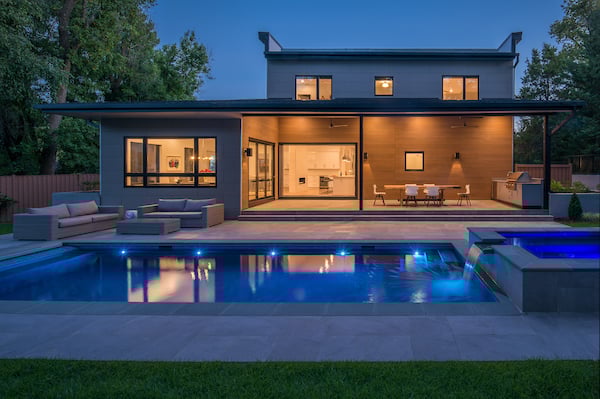 The Solar House, Arlington, Virginia, AV Architects + Builders, Photography by Maxwell Mackenzie
Creating a Home for the Future
Building a sustainable home is an investment in both the planet and your personal comfort. When we integrate these architectural principles, we create a space that feels better and functions more efficiently. You do not have to choose between a luxurious lifestyle and environmental responsibility.
By focusing on the fundamentals of smart design and high quality materials, your home becomes a lasting sanctuary that respects its surroundings. This forward thinking approach ensures your house will stand the test of time while providing an unmatched living experience. A sustainable home is truly the ultimate luxury in the modern world.
If you are ready to start planning a home that takes care of you and the environment, we would love to chat. You can schedule a discovery call with our team to discuss your vision. For more tips on building a custom home, feel free to visit our learning center for a wealth of resources.